

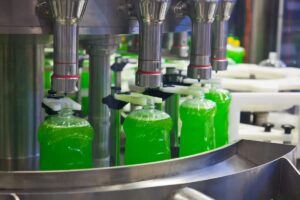
In recent years, market demand for setting up production lines for liquid hand soap, detergents, and hygiene products has significantly increased. This demand has been steadily increasing. Household detergents are no exception and continue to be sold widely and consistently in the market.
The liquid hand soap production line is relatively flexible, allowing a wide range of related products to be manufactured. Producing this product is economically justified, as the raw materials are inexpensive and the processing steps are not highly complex. Therefore, with the purchase of the initial equipment, it is possible to achieve a high level of income from liquid hand soap production.
Next, a more detailed examination of this production line and the required equipment will be provided.
Types of liquid hand soap
Liquid hand soap falls under the hygiene industry and has a wide variety of formulations. Some of the most common types of this product include:
- Simple liquid hand soap
- Disinfectant
- Antibacterial
- Moisturizer
- Fragrant
- Herbal
- Suitable for different skin types (dry, oily, sensitive, etc.)
- Sulfate-free
- Contains therapeutic ingredients
and so on. This variety depends on the primary formulation.
For example, scented liquid hand soap is essentially the standard type but includes fragrant extracts. Additionally, some of these liquid soaps may contain vitamins, special oils, and other additives.

General introduction to the liquid hand soap production line
The production line for this hygiene product consists of several main stages. In fact, this production line is made up of two main sections: the production of raw materials and their packaging.
The liquid hand soap production line includes the following sections:
- Material mixing section
- Production unit
- Liquid hand soap filling and packaging unit
- Quality control
- Final packaging
- Automation
- Storage and distribution to the market
- Waste management
Each of these units plays a specific role in the production of the final product and requires specialized equipment and machinery.
Production and material mixing unit in the liquid hand soap production line
This stage is the first and one of the most essential steps in setting up a detergent production line, including liquid hand soap. In this unit, raw materials stored in separate tanks must be accurately measured using dosing devices and then mixed together in blending tanks. Measuring devices include weight and volume scales. Special mixers suitable for the viscosity of the liquids are required for proper mixing. Homogenizer mixers and rotary shaft mixers with blending blades are among the appropriate options.
After achieving a uniform mixture, the material is transferred from the tank to the next stages through pumps and material transfer systems.
“Formulation selection at this stage depends on the type of cleaning liquid. For example, a certain percentage of vitamins, oils, fragrances, and other additives can be included in the tanks. The quality of the raw materials, as well as the quality of the mixture and production process, directly impacts the final product quality and increases its market acceptance.
Storage unit and distribution of liquid hand soap packages to the market
After the final production of the products, the packages must be transferred to the warehouse or distribution centers. Using warehouse management systems helps to accurately monitor inventory, storage spaces, and more. These systems operate with the help of RFID (Radio Frequency Identification) technology.
To move products and pallets, various equipment such as reach trucks, conveyors, and pallet trucks can be used. Additionally, the use of logistics automation systems helps optimize the handling, distribution, and shipment of products.

The importance of using the best equipment in the liquid hand soap production line
Using the best equipment in the production line is highly important, as it leads to improved product quality, the ability to produce a variety of products with excellent features, market satisfaction, and more. These factors primarily contribute to financial profitability.
With improved quality and, consequently, increased customer satisfaction, market demand will grow.
On the other hand, using high-quality equipment increases production speed and enables flexible manufacturing. These modern, state-of-the-art machines can replace multiple devices and manual labor, ensuring uninterrupted production. Products manufactured with these machines experience minimal waste and loss.
Ultimately, purchasing high-quality machines and equipment reduces the need for repairs, minimizing maintenance costs and production line downtime.
How to purchase the best machines for the production line
Radan Machine provides all the equipment for production lines. With the help of this company, all types of production line equipment can be purchased. Radan Machine covers the entire range of production line machines and, to expand customer choices, offers products in a variety of models. This allows buyers to select and purchase the best machines according to their needs, budget, goals, and more, ensuring the optimal setup of a liquid hand soap production line.
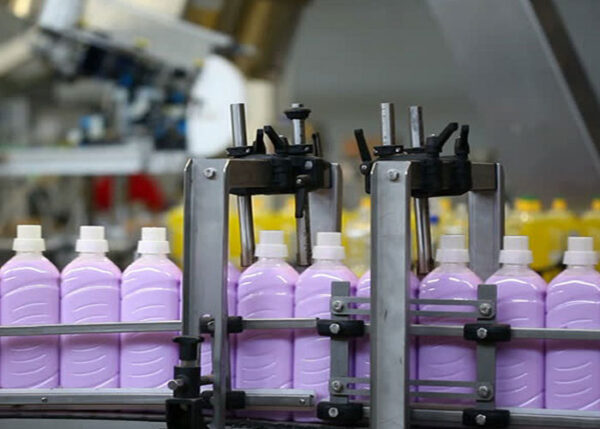
For example, various types of filling machines are available at this company. By visiting the official Radan Machine website, you can view the list of these products along with their technical specifications and the prices of liquid hand soap production machines.
Having all products available in one place eliminates the need to make separate purchases from multiple suppliers, allowing you to confidently acquire the entire range of equipment from their diverse selection. Ordered products are delivered to the desired location in the shortest possible time, and warranty and guarantee are provided upon purchase and delivery.
These warranties guarantee the product quality, and in addition, after-sales services are provided for customers. The presence of these factors ensures a secure and high-quality purchase experience for clients.